

 ভাষা
ভাষা
ইউ-জয়েন্টস বনাম সিভি জয়েন্টস: পার্থক্য, ব্যবহার এবং কখন প্রতিস্থাপন করতে হবে
ইউ-জয়েন্ট এবং সিভি জয়েন্টগুলির মধ্যে মূল পার্থক্য একটি জিনিসে নেমে আসে: অপারেটিং কোণ এবং ঘূর্ণন মসৃণতা . ক U- জয়েন্ট (সর্বজনীন জয়েন্ট) সহজ, শক্তিশালী, এবং ট্রাক ড্রাইভশ্যাফ্ট এবং অফ-রোড এক্সেলের মতো উচ্চ-টর্ক অ্যাপ্লিকেশনের জন্য আরও উপযুক্ত — তবে এটি 3° এর উপরে কোণে অসম শক্তি সরবরাহ করে। ক সিভি জয়েন্ট (ধ্রুব বেগ জয়েন্ট) 47° পর্যন্ত কোণে মসৃণভাবে পাওয়ার ট্রান্সমিট করে, এটি ফ্রন্ট-হুইল-ড্রাইভ এক্সেল এবং স্বাধীন সাসপেনশন সিস্টেমের জন্য সঠিক পছন্দ যেখানে রাইডের গুণমান এবং স্টিয়ারিং জ্যামিতি গুরুত্বপূর্ণ। কোনটিই সর্বজনীনভাবে উচ্চতর নয় - সঠিক পছন্দটি সম্পূর্ণরূপে প্রয়োগের উপর নির্ভর করে।
কীভাবে একটি ইউ-জয়েন্ট কাজ করে: মেকানিক্স এবং সীমাবদ্ধতা
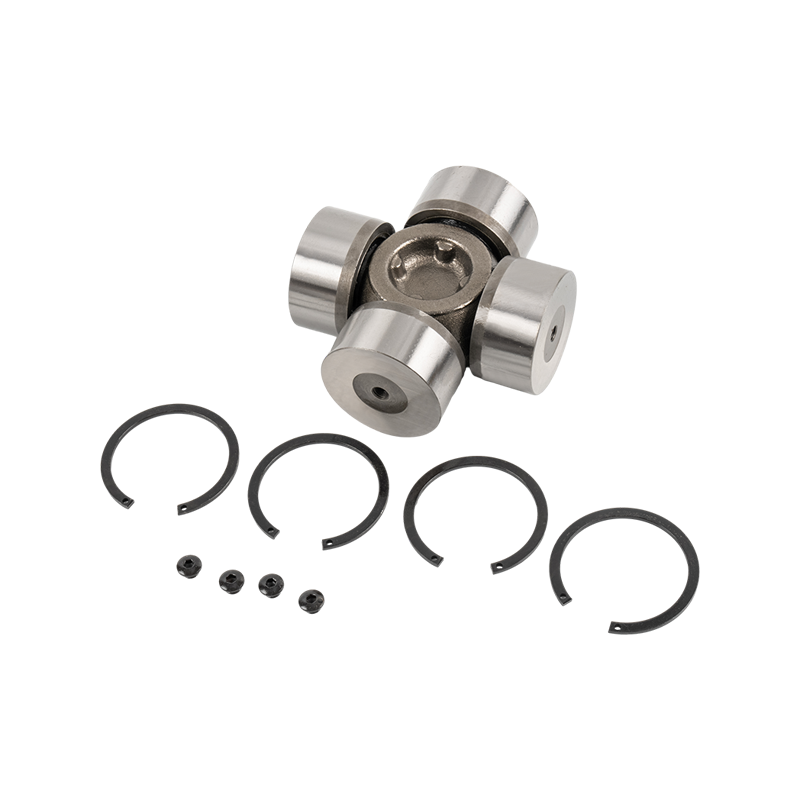
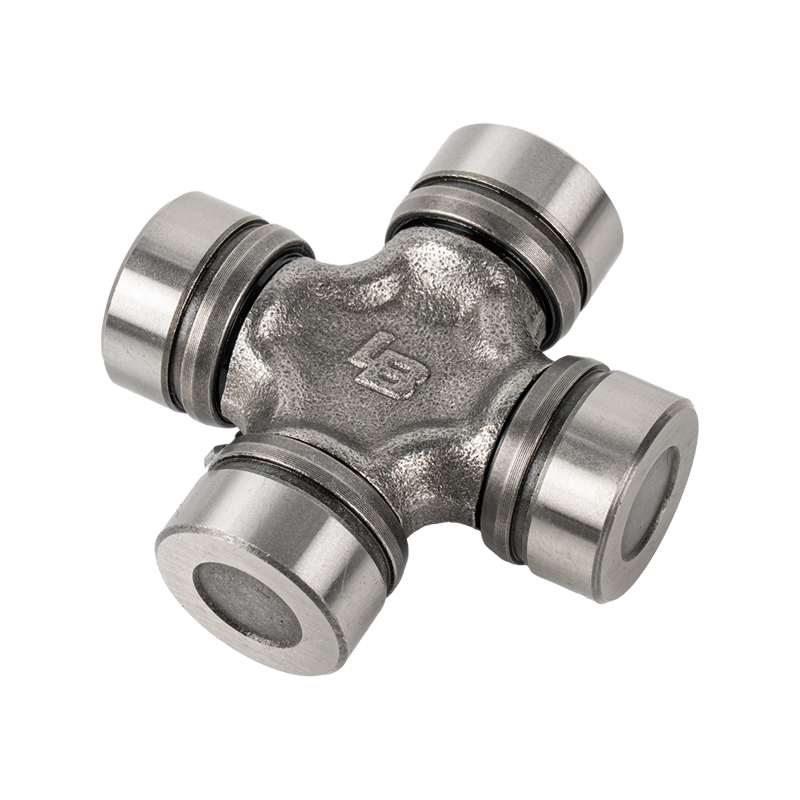
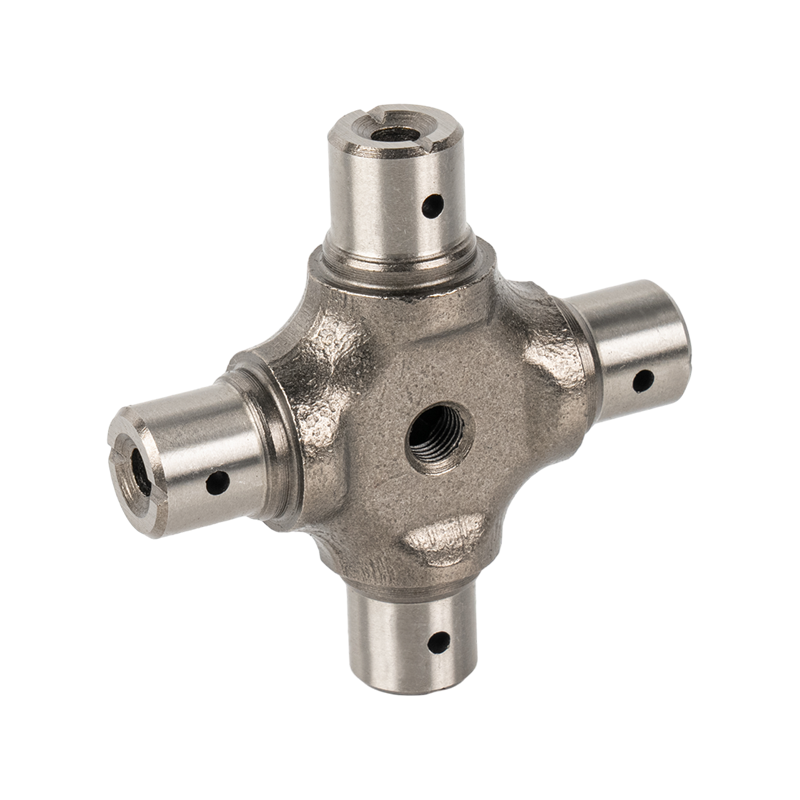
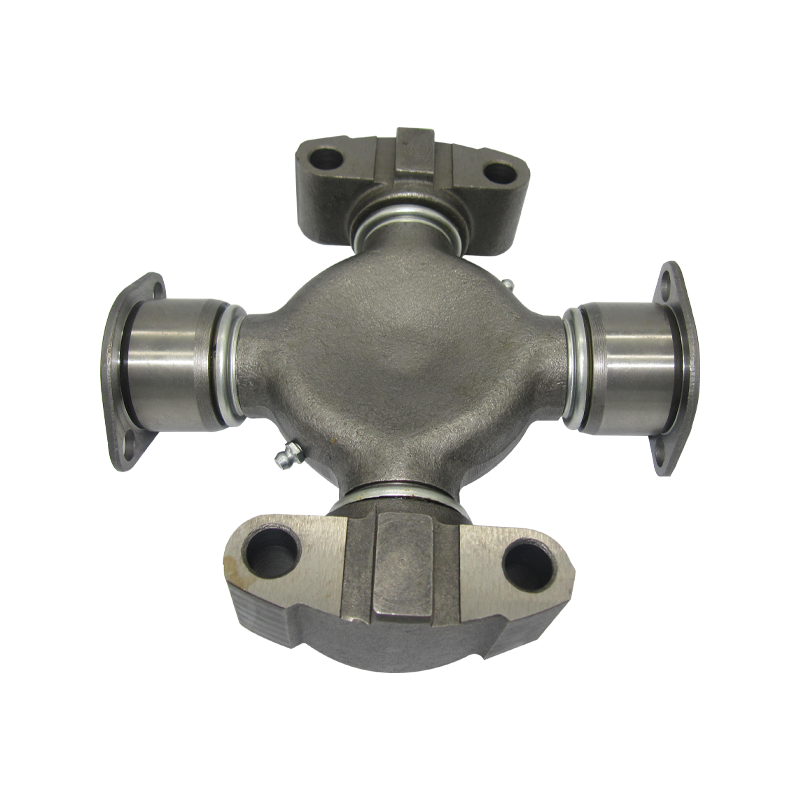
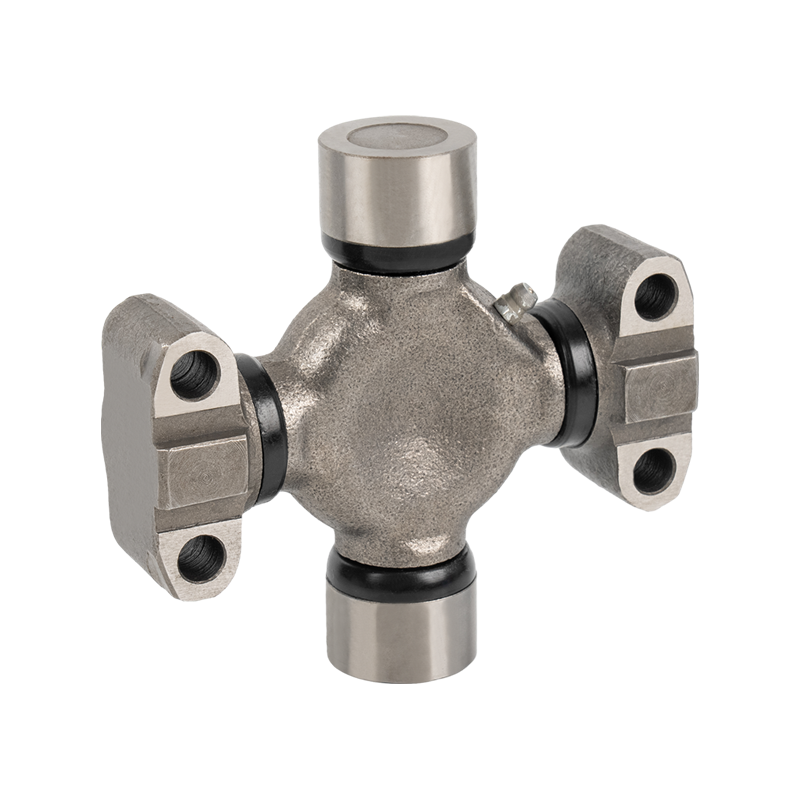
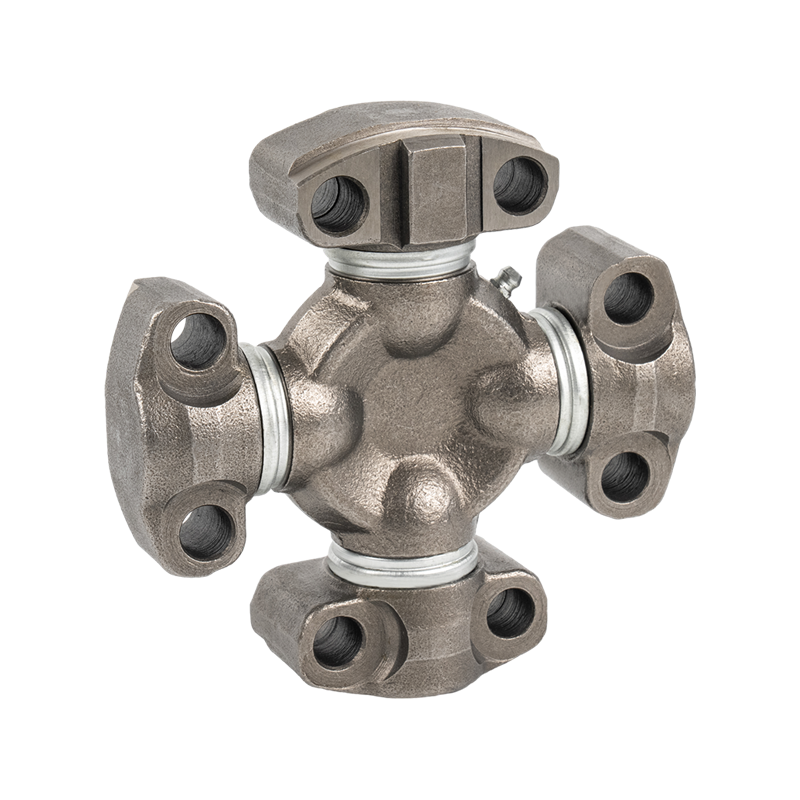
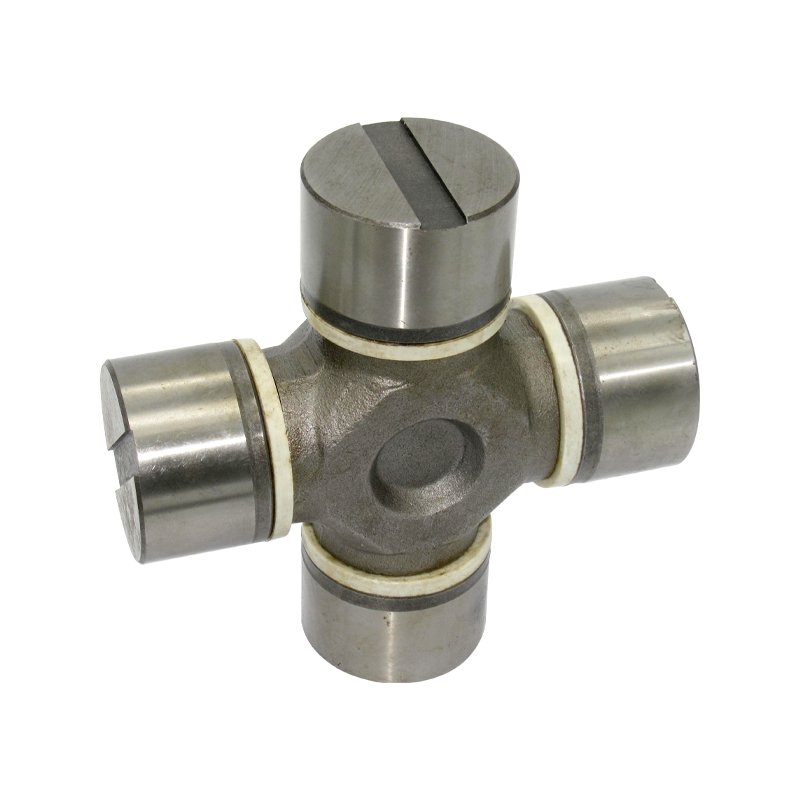
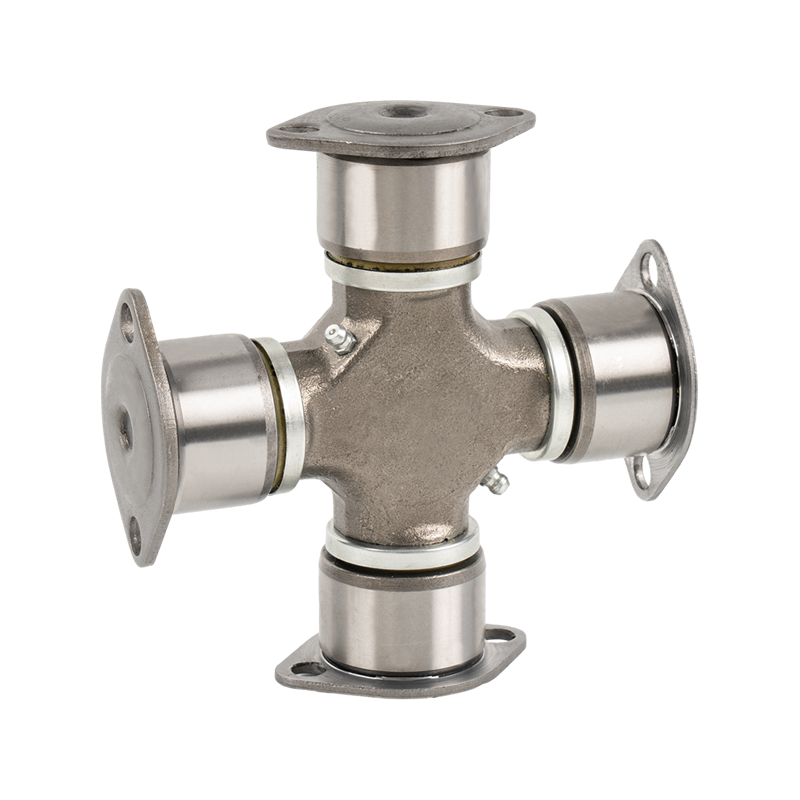
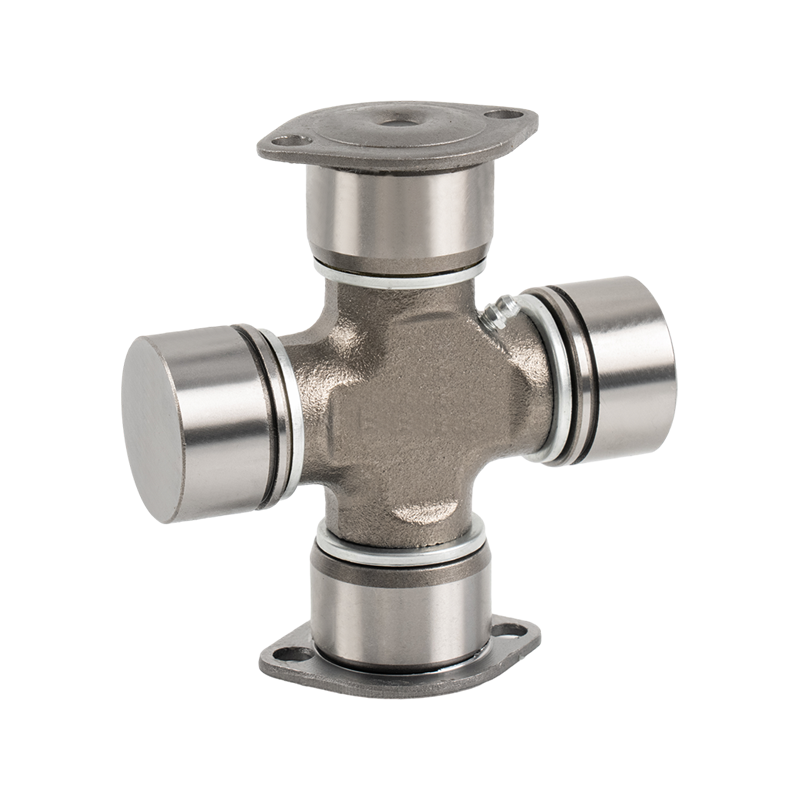
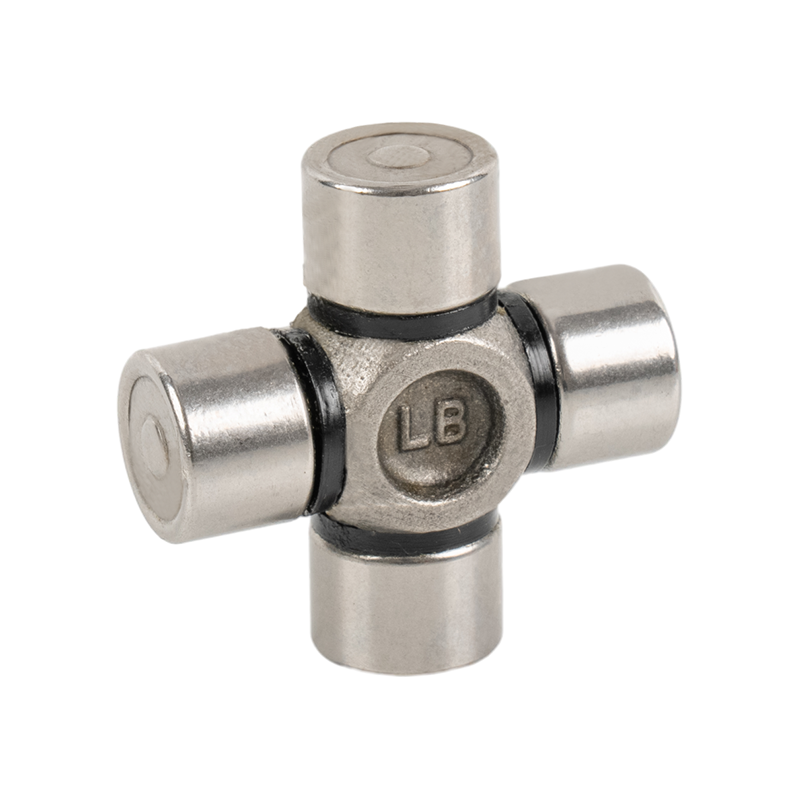
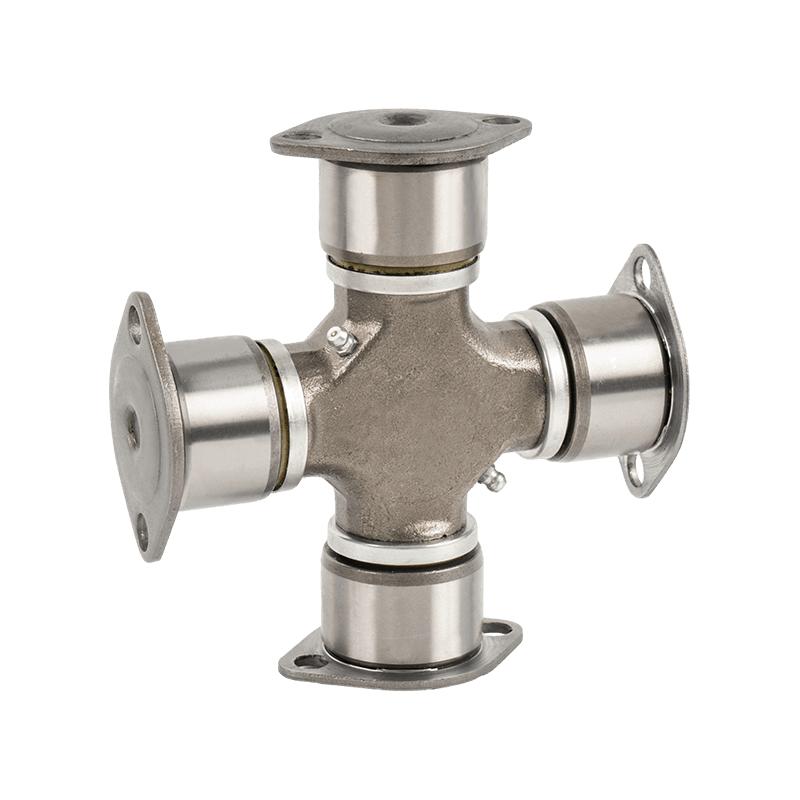
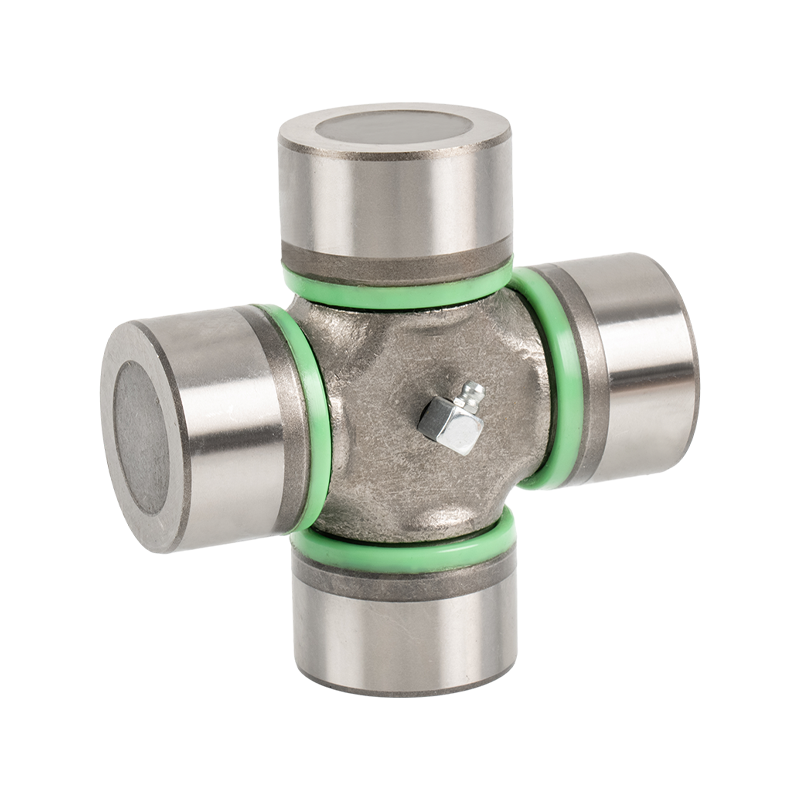
একটি U-জয়েন্ট একটি ক্রস-আকৃতির ট্রুনিয়ন বিয়ারিং দ্বারা সংযুক্ত দুটি জোয়াল নিয়ে গঠিত, যাকে মাকড়সাও বলা হয়। ড্রাইভশ্যাফ্টটি ঘোরার সাথে সাথে, মাকড়সা জয়েন্টটিকে একই সাথে দুটি প্লেনে পিভট করতে দেয় — ট্রান্সমিশন আউটপুট শ্যাফ্ট এবং ডিফারেনশিয়াল ইনপুটের মধ্যে মিস্যালাইনমেন্ট মিটমাট করে। এই সাধারণ নকশাটি অসাধারণভাবে টেকসই এবং প্রেরণে সক্ষম কম অপারেটিং কোণে উচ্চ টর্ক লোড হয় .
একটি U-জয়েন্টের সমালোচনামূলক সীমাবদ্ধতা যাকে ইঞ্জিনিয়াররা বলে বেগ ওঠানামা . যখন একটি U-জয়েন্ট একটি কোণে কাজ করে, তখন আউটপুট শ্যাফ্ট পুরোপুরি স্থির গতিতে ঘোরে না এমনকি যখন ইনপুট শ্যাফ্ট করে। পরিবর্তে, এটি একটি চক্রীয় প্যাটার্নে প্রতি বিপ্লবে দুইবার ত্বরান্বিত এবং হ্রাস পায়। এই ওঠানামার তীব্রতা অপারেটিং কোণের সাথে বৃদ্ধি পায়:
- এ 0° (ইন-লাইন) : কোন ওঠানামা নেই — ইনপুট এবং আউটপুট গতি অভিন্ন
- এ 3° : ড্রাইভশ্যাফ্ট অ্যাপ্লিকেশনগুলিতে ওঠানামা ছোট এবং সাধারণত গ্রহণযোগ্য
- এ 10° : লক্ষণীয় কম্পন এবং ড্রাইভলাইন কাঁপতে শুরু করে
- এ 20° : কম্পন তীব্র হয়ে ওঠে, বিয়ারিং ক্যাপ এবং সংযুক্ত উপাদানগুলির পরিধানকে ত্বরান্বিত করে
এই কারণেই ড্রাইভশ্যাফ্ট ইঞ্জিনিয়াররা সাবধানে U-জয়েন্ট কোণ ডিজাইন করে — বেশিরভাগ OEM ড্রাইভশ্যাফ্ট সিস্টেম প্রতিটি U-জয়েন্টকে নীচে রাখে 3-5° অপারেটিং কোণের এবং একে অপরের বেগ ওঠানামা বাতিল করতে পর্যায়ক্রমে দুটি U-জয়েন্ট ব্যবহার করুন। যখন একটি গাড়ি উঠানো বা নামানো হয়, তখন এই কোণগুলি পরিবর্তিত হয়, প্রায়শই মসৃণ অপারেশন পুনরুদ্ধার করার জন্য একটি সংশোধন ওয়েজ বা ডাবল-কার্ডান জয়েন্টের প্রয়োজন হয়।
কীভাবে একটি সিভি জয়েন্ট কাজ করে: ধ্রুবক বেগের পিছনে ইঞ্জিনিয়ারিং
একটি সিভি জয়েন্ট জ্যামিতির মাধ্যমে বেগ ওঠানামার সমস্যা সমাধান করে। দুটি সবচেয়ে সাধারণ প্রকার - Rzeppa বল এবং খাঁজ যৌথ (বাইরের সিভি) এবং ট্রিপড জয়েন্ট (অভ্যন্তরীণ সিভি) — সুনির্দিষ্টভাবে মেশিনযুক্ত খাঁজে চলমান বল বা রোলারগুলির একটি সেট ব্যবহার করুন। এই জ্যামিতি নিশ্চিত করে যে অপারেটিং কোণ নির্বিশেষে, যোগাযোগ বিন্দুগুলি সর্বদা ইনপুট এবং আউটপুট শ্যাফ্টের মধ্যে কোণকে দ্বিখণ্ডিত করে, ঠিক 1:1 এর একটি ধ্রুবক বেগ অনুপাত বজায় রাখে।
ফলাফল: একটি ফ্রন্ট-হুইল-ড্রাইভ এক্সেল শ্যাফ্ট a এর মধ্য দিয়ে যেতে পারে 47° টার্ন অ্যাঙ্গেল একই সাথে চাকায় ইঞ্জিন টর্ক প্রেরণ করার সময় — মসৃণভাবে, কম্পন ছাড়াই এবং গতির ওঠানামা ছাড়াই যা হুইল হপ বা স্টিয়ারিং টান সৃষ্টি করবে।
ট্রেড-অফ হল যে CV জয়েন্টগুলি আরও জটিল, তৈরি করা আরও ব্যয়বহুল এবং U-জয়েন্টের তুলনায় চরম টর্ক লোড কম সহনশীল। একটি ভারী-শুল্ক ট্রাক ড্রাইভশ্যাফট স্থানান্তর 800 পাউন্ড-ফুট টর্ক দ্রুত একটি স্ট্যান্ডার্ড Rzeppa CV জয়েন্ট ধ্বংস করবে; সঠিকভাবে পর্যায়ক্রমে ইউ-জয়েন্ট হ্যান্ডেল সহ একই খাদ যা নিয়মিতভাবে 100,000 মাইল পর্যন্ত লোড হয়।
ইউ-জয়েন্টস বনাম সিভি জয়েন্টস: সম্পূর্ণ তুলনা
| চারিত্রিক | ইউ-জয়েন্ট | সিভি জয়েন্ট |
|---|---|---|
| অপারেটিং অ্যাঙ্গেল রেঞ্জ | 0°–20° ব্যবহারিক; সর্বোচ্চ 45° পর্যন্ত (স্বল্প জীবন) | 0°–47° (Rzeppa); 0°–26° (ট্রিপড) |
| বেগ আউটপুট | 0° এর উপরে অ-স্থির | সব কোণে ধ্রুবক |
| টর্ক ক্ষমতা | খুব উচ্চ (ভারী ট্রাক সক্ষম) | মাঝারি (যাত্রী/হালকা ট্রাক) |
| কোণে কম্পন | কোণের সাথে উল্লেখযোগ্যভাবে বৃদ্ধি পায় | রেট করা অপারেটিং কোণে ন্যূনতম |
| সাধারণ সেবা জীবন | 100,000-200,000 মাইল (গ্রীসড) | 80,000-150,000 মাইল |
| তৈলাক্তকরণ | গ্রীস ফিটিং (পরিষেবাযোগ্য) বা সিল করা | সিল করা গ্রীস বুট (অ-পরিষেবাযোগ্য) |
| প্রতিস্থাপন খরচ (শুধুমাত্র অংশ) | প্রতি জয়েন্টে $15-$60 | এক্সেল শ্যাফ্ট প্রতি $80–$300 |
| প্রাথমিক আবেদন | রিয়ার-হুইল-ড্রাইভ ড্রাইভশ্যাফ্ট, কঠিন অক্ষ | FWD/AWD এক্সেল শ্যাফ্ট, IRS হাফশ্যাফ্ট |
| স্টিয়ারিং সামঞ্জস্য | স্টিয়ারড ড্রাইভ অ্যাক্সেলের জন্য উপযুক্ত নয় | স্টিয়ারড ড্রাইভ এক্সেলের জন্য প্রয়োজনীয় |
যেখানে U-জয়েন্ট ব্যবহার করা হয়: বাস্তব-বিশ্ব অ্যাপ্লিকেশন
রিয়ার-হুইল-ড্রাইভ এবং ফোর-হুইল-ড্রাইভ ড্রাইভশ্যাফ্ট
U-জয়েন্টগুলির জন্য সবচেয়ে সাধারণ অ্যাপ্লিকেশন হল ড্রাইভশ্যাফ্ট একটি ট্রান্সমিশন বা স্থানান্তর কেসকে পিছনের ডিফারেন্সিয়ালের সাথে সংযুক্ত করে। একটি সাধারণ RWD ট্রাকে, আছে দুটি U-জয়েন্ট — ড্রাইভশ্যাফ্টের প্রতিটি প্রান্তে একটি — পর্যায়ক্রমে পরিপূরক কোণে যাতে তাদের বেগ ওঠানামা বাতিল হয়ে যায়। কিছু লম্বা ড্রাইভশ্যাফ্ট হাইওয়ে গতিতে সুরেলা কম্পন কমাতে কেন্দ্র সাপোর্ট বিয়ারিং-এ তৃতীয় ইউ-জয়েন্ট যুক্ত করে।
4WD সিস্টেমে, U-জয়েন্টগুলি সামনের ড্রাইভশ্যাফ্টে এবং কঠিন সামনের অক্ষগুলিতে, সামনের অ্যাক্সেল শ্যাফ্টের মধ্যেও উপস্থিত হয়। সলিড এক্সেল অ্যাপ্লিকেশন যেমন ডানা 44 এবং ডানা 60-তে পাওয়া যায় — ভারী-শুল্ক ট্রাক এবং অফ-রোড যানবাহনে স্ট্যান্ডার্ড সরঞ্জাম — ব্যবহার করে স্পাইসার-স্টাইলের ইউ-জয়েন্টস ক্রমাগত ভারী ব্যবহারের জন্য রেট করা হয়েছে।
স্টিয়ারিং শ্যাফ্ট
ইউ-জয়েন্টগুলি স্টিয়ারিং কলামের মধ্যবর্তী শ্যাফ্টে ব্যবহার করা হয় যা একটি সংকোচনযোগ্য স্টিয়ারিং কলাম সহ কার্যত প্রতিটি গাড়িতে ব্যবহৃত হয়। এখানে, কোণগুলি ছোট (সাধারণত 30° এর নিচে), এবং টর্কের লোড কম - তাই একটি U-জয়েন্টের বেগ ওঠানামা গ্রহণযোগ্য। এই অ্যাপ্লিকেশনটির জন্য বিশেষভাবে একটি U-জয়েন্ট প্রয়োজন কারণ স্টিয়ারিং শ্যাফ্টকে অবশ্যই স্টিয়ারিং হুইল এবং র্যাক-এন্ড-পিনিয়ন গিয়ারের মধ্যে একাধিক বাঁক মিটমাট করতে হবে।
কৃষি ও শিল্প যন্ত্রপাতি
ট্র্যাক্টর এবং কৃষি সরঞ্জামগুলিতে পাওয়ার টেক-অফ (PTO) শ্যাফ্টগুলি ইউ-জয়েন্টের উপর খুব বেশি নির্ভর করে। এই শ্যাফটগুলি নির্দিষ্ট গতিতে কাজ করে (সাধারণত 540 বা 1,000 RPM ), উচ্চ ঘূর্ণন সঁচারক বল প্রেরণ করুন এবং U-জয়েন্ট ব্যবহার করুন কারণ ডিজাইনের সরলতা এবং মেরামতযোগ্যতা ক্ষেত্রের অবস্থার ক্ষেত্রে অপরিহার্য যেখানে একটি CV-সজ্জিত শ্যাফ্ট পরিষেবার জন্য অব্যবহারিক হবে।
যেখানে সিভি জয়েন্ট ব্যবহার করা হয়: বাস্তব-বিশ্ব অ্যাপ্লিকেশন
ফ্রন্ট-হুইল-ড্রাইভ এক্সেল শ্যাফ্ট
প্রতিটি FWD গাড়ি প্রতিটি সামনের এক্সেল শ্যাফ্টের উভয় প্রান্তে CV জয়েন্ট ব্যবহার করে। দ বাইরের সিভি জয়েন্ট (সাধারণত একটি Rzeppa ডিজাইন) স্টিয়ারিং কোণ পরিচালনা করে — 47° পর্যন্ত সম্পূর্ণ লক টার্নের সময় — ড্রাইভ টর্ক প্রেরণ করার সময়। দ অভ্যন্তরীণ সিভি জয়েন্ট (সাধারণত একটি ট্রাইপড বা ডাবল-অফসেট ডিজাইন) সাসপেনশন উপরে এবং নিচের দিকে যাওয়ার সাথে সাথে নিমজ্জন গতিকে সামঞ্জস্য করে, এক্সেল শ্যাফ্টকে বাঁধাই ছাড়াই দৈর্ঘ্য পরিবর্তন করতে দেয়।
স্বাধীন সাসপেনশন সহ অল-হুইল-ড্রাইভ রিয়ার এক্সেল
স্বাধীন পিছনের সাসপেনশন সহ আধুনিক AWD গাড়িগুলি FWD ফ্রন্ট শ্যাফ্টের মতো একই কারণে পিছনের হাফশ্যাফ্টে CV জয়েন্টগুলি ব্যবহার করে — সাসপেনশন ট্র্যাভেল এবং আর্টিকুলেশন অ্যাঙ্গেল একটি U-জয়েন্ট মসৃণভাবে পরিচালনা করতে পারে তার চেয়ে বেশি। সুবারু আউটব্যাক বা অডি কোয়াট্রোর মতো একটি গাড়ি ব্যবহার করে চারটি সিভি-জয়েন্টেড হাফশ্যাফ্ট এবং একটি সেন্টার প্রপশ্যাফ্ট (যা ডিজাইনের উপর নির্ভর করে ইউ-জয়েন্ট বা সিভি জয়েন্ট ব্যবহার করতে পারে)।
কর্মক্ষমতা এবং রেসিং অ্যাপ্লিকেশন
উচ্চ-ক্ষমতাসম্পন্ন যানবাহনগুলি ক্রমবর্ধমানভাবে সিভি জয়েন্টগুলি ব্যবহার করে এমনকি ঐতিহ্যগতভাবে ইউ-জয়েন্ট অ্যাপ্লিকেশনগুলিতেও। স্বাধীন পিছনের সাসপেনশন সহ গাড়িগুলিতে রেসিং হাফ-শ্যাফ্টগুলি টর্ক লোডের জন্য হেভি-ডিউটি Rzeppa বা ট্রাইপড সিভি ব্যবহার করে যা অপারেটিং অ্যাঙ্গেলে স্ট্যান্ডার্ড ইউ-জয়েন্টের সাথে অসম্ভব। GKN এবং Neapco-এর মতো কোম্পানিগুলি মোটরস্পোর্ট সিভি জয়েন্টগুলির জন্য রেট করা হয়েছে 1,000 পাউন্ড-ফুট টর্কের বেশি AWD সমাবেশ এবং ড্রিফ্ট গাড়িতে ব্যবহারের জন্য।
ডাবল-কার্ডান জয়েন্ট: একটি ইউ-জয়েন্ট যা সিভি আচরণের অনুকরণ করে
ডাবল-কার্ডান জয়েন্ট - যাকে কখনও কখনও সিভি ড্রাইভশ্যাফ্ট জয়েন্ট বা সেন্টারিং সকেট জয়েন্ট বলা হয় - এটি একটি বিশেষ ইউ-জয়েন্ট অ্যাসেম্বলি যা একত্রিত করে একটি কেন্দ্রীভূত সকেট সহ সিরিজে দুটি স্ট্যান্ডার্ড ইউ-জয়েন্ট তাদের মধ্যে এই বিন্যাসের জ্যামিতি প্রতিটি স্বতন্ত্র U-জয়েন্টের বেগ ওঠানামা বাতিল করে, অপারেটিং কোণে ধ্রুবক বেগ আউটপুট উৎপন্ন করে 30-35° .
এই নকশাটি সাধারণত সামনের স্বাধীন সাসপেনশন বা উল্লেখযোগ্য সাসপেনশন লিফট সহ ট্রাক এবং SUV-এর সামনের ড্রাইভশ্যাফ্ট সংযোগে পাওয়া যায়। উদাহরণ অন্তর্ভুক্ত:
- ফোর্ড সুপার ডিউটি এবং রাম 2500/3500-এর সামনের ড্রাইভশ্যাফ্টগুলি তুলে নেওয়া সাসপেনশন সহ
- এক্সট্রিম ফ্রন্ট ড্রাইভশ্যাফ্ট অ্যাঙ্গেল সহ যানবাহনে কেস আউটপুট জোয়াল স্থানান্তর করুন
- উত্তোলিত 4WD যানবাহনে ড্রাইভলাইন ভাইব্রেশনের সম্মুখীন হওয়া স্ট্যান্ডার্ড U-জয়েন্টগুলির জন্য আফটারমার্কেট প্রতিস্থাপন
ডাবল-কার্ডান জয়েন্ট একটি CV জয়েন্টের মসৃণ আউটপুট সহ একটি U-জয়েন্টের টর্ক ক্ষমতা দেয় — তবে এটি ভারী, বেশি ব্যয়বহুল (একটি সম্পূর্ণ সমাবেশের জন্য $150–$400), এবং পৃথক ডিজাইনের চেয়ে বেশি রক্ষণাবেক্ষণের প্রয়োজন।
ইউ-জয়েন্ট ব্যর্থতা: এটি সম্পূর্ণরূপে ব্যর্থ হওয়ার আগে একটি খারাপ ইউ-জয়েন্ট কীভাবে সনাক্ত করা যায়
একটি ব্যর্থ ইউ-জয়েন্ট নির্দিষ্ট, সনাক্তযোগ্য লক্ষণগুলির মাধ্যমে নিজেকে ঘোষণা করে। তাড়াতাড়ি পরিধান করা বিপর্যয়মূলক ব্যর্থতা মোডকে প্রতিরোধ করে — একটি ভাঙা U-জয়েন্ট যা গতিতে ড্রাইভশ্যাফ্টটিকে রাস্তায় ফেলে দেয়, যা গাড়ির নিয়ন্ত্রণ হারাতে পারে এবং আন্ডারক্যারেজের মারাত্মক ক্ষতি হতে পারে।
জীর্ণ বা ব্যর্থ ইউ-জয়েন্টের লক্ষণ
- ড্রাইভলাইন কম্পন বা কাঁপুনি: মেঝে, আসন বা স্টিয়ারিং কলামের মাধ্যমে একটি চক্রীয় কম্পন অনুভূত হয় যা গাড়ির গতির সাথে বৃদ্ধি পায়। মধ্যে সবচেয়ে লক্ষণীয় 45-65 মাইল প্রতি ঘণ্টা . এটি হল বেগ ওঠানামার প্রভাব শারীরিকভাবে উপলব্ধি করা যায় কারণ ভারবহন পরিধান অপারেটিং স্লপ বৃদ্ধি করে।
- ত্বরণ বা হ্রাসের উপর ক্লাঙ্ক: একটি ধাতব নক যখন ড্রাইভট্রেন ত্বরণ থেকে ওভাররান বা বিপরীতে রূপান্তরিত হয়। এটি ইউ-জয়েন্ট ট্রুনিয়ন বিয়ারিং-এ অত্যধিক খেলা নির্দেশ করে।
- কম গতিতে চিৎকার করা: ড্রাইভশ্যাফ্ট ঘূর্ণনের সাথে সময়ে একটি ছন্দময় চিৎকার, বিশেষ করে যখন গাড়িটি ঠান্ডা থাকে। এটি শুষ্ক বা দূষিত বিয়ারিং ক্যাপ নির্দেশ করে — জয়েন্ট যান্ত্রিকভাবে ব্যর্থ হওয়ার আগে একটি প্রাথমিক সতর্কতা চিহ্ন।
- বিয়ারিং ক্যাপগুলিতে দৃশ্যমান মরিচা বা ক্ষয়: নীচের দিকে পরিদর্শনের সময় মরিচা ধরা ক্যাপগুলি আর্দ্রতার অনুপ্রবেশ নির্দেশ করে, যার অর্থ গ্রীস সীল ব্যর্থ হয়েছে। লক্ষণগুলি উপস্থিত থাকুক না কেন অবিলম্বে প্রতিস্থাপন করুন।
- ঘূর্ণনের সময় বাঁধাই বা প্রতিরোধ: গাড়িটি নিরপেক্ষ এবং ড্রাইভশ্যাফ্ট অ্যাক্সেসযোগ্য থাকায়, ম্যানুয়ালি শ্যাফ্ট ঘোরানো মসৃণ হওয়া উচিত। কোনো রুক্ষ দাগ, ক্যাচ, বা প্রতিরোধ বিয়ারিং ক্যাপ পরিধান নির্দেশ করে।
কিভাবে একটি U-জয়েন্ট পরিদর্শন করতে হয়
- গাড়িটিকে নিরাপদে জ্যাক স্ট্যান্ডে উত্থাপিত করে এবং নিরপেক্ষভাবে ট্রান্সমিশন দিয়ে, প্রতিটি ইউ-জয়েন্টের কাছে ড্রাইভশ্যাফ্টটিকে শক্তভাবে আঁকড়ে ধরুন।
- এtempt to move the driveshaft in all directions — up-down and side-to-side. 1-2 মিমি-এর চেয়ে বড় যেকোন বোধগম্য খেলা পরিহিত ভারবহন ক্যাপ প্রতিস্থাপন প্রয়োজন নির্দেশ করে।
- হাত দিয়ে ধীরে ধীরে ড্রাইভশ্যাফ্টটি ঘোরান এবং প্রতিটি U-জয়েন্টের মাধ্যমে রুক্ষ বা খাঁজকাটা নড়াচড়া অনুভব করুন। মসৃণ ঘূর্ণন সেবাযোগ্য জয়েন্টগুলোতে নির্দেশ করে; কোন রুক্ষতা অভ্যন্তরীণ পরিধান নির্দেশ করে।
- গ্রীস ফিটিংগুলি পরিদর্শন করুন (যদি উপস্থিত থাকে) — একটি অনুপস্থিত বা ক্ষতিগ্রস্থ ফিটিং মানে জয়েন্টটি সঠিক তৈলাক্তকরণ ছাড়াই চলছে। অতিরিক্ত যাচাই-বাছাই সহ বিয়ারিং ক্যাপের অবস্থা পরীক্ষা করুন।
ইউ-জয়েন্ট প্রতিস্থাপন: খরচ, প্রক্রিয়া, এবং ব্যবধান
ইউ-জয়েন্ট রিপ্লেসমেন্ট হল অভিজ্ঞ DIYers-এর জন্য আরও অ্যাক্সেসযোগ্য ড্রাইভট্রেন মেরামতের একটি। অংশগুলি সস্তা — একটি গুণমান স্পাইসার বা মুগ ইউ-জয়েন্ট খরচ $15–$60 গাড়ির প্রয়োগের উপর নির্ভর করে — এবং প্রক্রিয়াটির জন্য শুধুমাত্র বেসিক হ্যান্ড টুলস এবং একটি বেঞ্চ ভিস বা ইউ-জয়েন্ট প্রেসের প্রয়োজন হয় বিয়ারিং ক্যাপগুলি সরানো এবং বসার জন্য।
পেশাগত শ্রম যোগ করে $80–$180 একটি একক U-জয়েন্ট প্রতিস্থাপনের জন্য, যা সাধারণত মোট মেরামতের খরচ তৈরি করে $100–$250 — যন্ত্রাংশ এবং শ্রম সহ $250–$600 এ CV এক্সেল শ্যাফ্ট প্রতিস্থাপনের চেয়ে উল্লেখযোগ্যভাবে কম।
গ্রীজযোগ্য বনাম সিল করা U-জয়েন্টস
একটি প্রতিস্থাপন ইউ-জয়েন্ট নির্বাচন করার সময় এটি সবচেয়ে ব্যবহারিকভাবে গুরুত্বপূর্ণ পার্থক্যগুলির মধ্যে একটি:
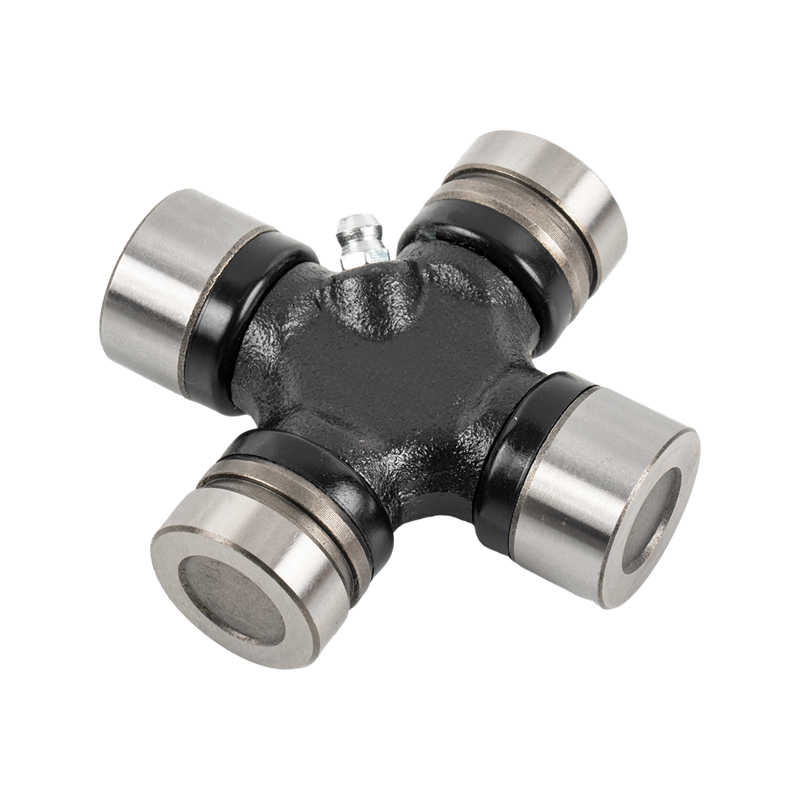
- গ্রীজেবল U- জয়েন্টগুলি (একটি Zerk ফিটিং সহ) নিয়মিত পরিষেবা বিরতিতে লুব্রিকেট করা যেতে পারে — সাধারণত প্রতিবার 5,000-10,000 মাইল বা বার্ষিক। সঠিকভাবে রক্ষণাবেক্ষণ করা হলে, এই জয়েন্টগুলি নিয়মিতভাবে যানবাহনের জীবন স্থায়ী করে। তারা অফ-রোড যানবাহন, ট্রাক এবং যে কোনও অ্যাপ্লিকেশন যেখানে জয়েন্টটি জল, কাদা বা ধুলোর সংস্পর্শে আসে তার জন্য পছন্দের পছন্দ।
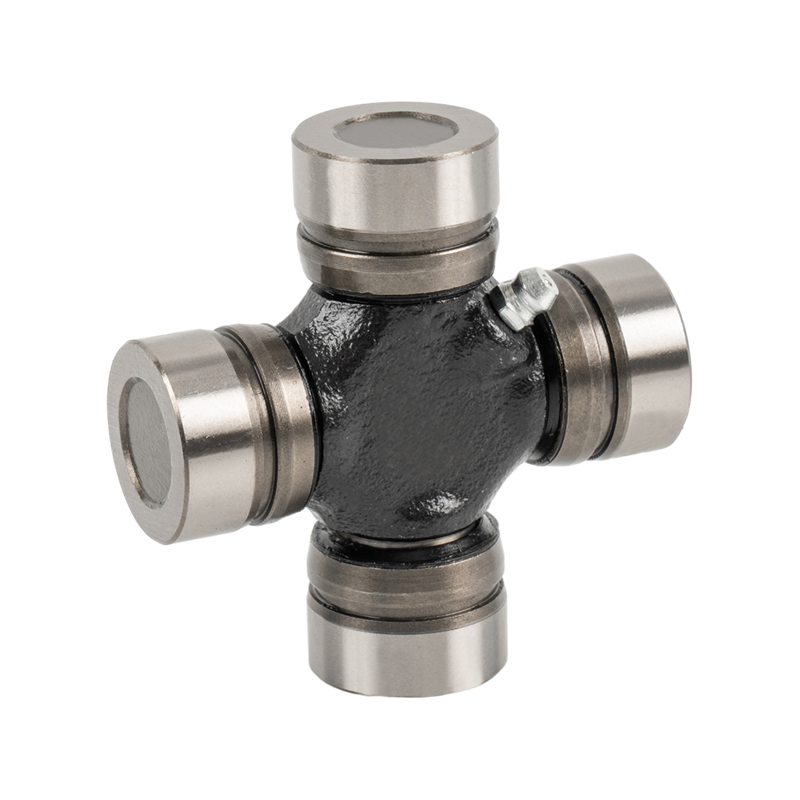
- সিল করা U-জয়েন্টস কারখানায় গ্রীস দিয়ে আগে থেকে প্যাক করা হয় এবং কোন রক্ষণাবেক্ষণের প্রয়োজন হয় না — তবে অভ্যন্তরীণ গ্রীস কমে গেলে বা হ্রাস পেলে পুনরায় লুব্রিকেট করা যাবে না। এগুলি অনেক যাত্রীবাহী গাড়িতে OEM স্ট্যান্ডার্ড এবং সাধারণ পরিস্থিতিতে পর্যাপ্ত পরিষেবা জীবন অফার করে, তবে গুরুতর ব্যবহারের অ্যাপ্লিকেশনগুলিতে দ্রুত পরিধান করতে পারে।
টোয়িং, অফ-রোড ড্রাইভিং বা ভারী রাস্তার লবণের এক্সপোজার সহ অঞ্চলগুলিতে ব্যবহৃত ট্রাকের জন্য, সর্বদা একটি greaseable U-জয়েন্ট নির্দিষ্ট করুন একটি সিল সমতুল্য উপর যখন উভয় বিকল্প আবেদন জন্য উপলব্ধ. পর্যায়ক্রমিক গ্রীসিংয়ের সামান্য অতিরিক্ত খরচ যৌথ জীবনকে নাটকীয়ভাবে প্রসারিত করে এবং একটি প্রাথমিক সতর্কতা ব্যবস্থা প্রদান করে — একটি জয়েন্ট যা হঠাৎ করে লুব্রিকেটেড থাকার জন্য অনেক বেশি গ্রীস প্রয়োজন তা হল বিপর্যয়কর ব্যর্থতা ঘটার আগে অভ্যন্তরীণ পরিধানের সংকেত।