

 ভাষা
ভাষা
What Is a Universal Joint on a Car? The Ultimate U-Joint Guide
Direct Answer
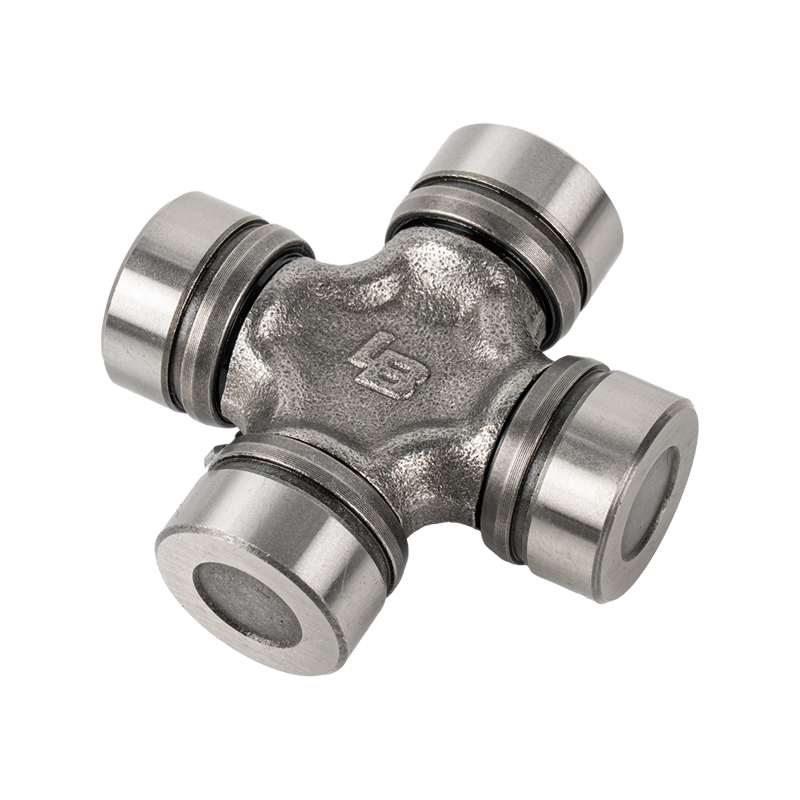
A universal joint , or U-joint , is the small X-shaped hinge that connects the sections of a car's driveshaft, letting it flex and keep spinning power to the wheels even as the suspension moves up and down over bumps. Without it, a rigid driveshaft would bind, vibrate, or snap the moment the road wasn't perfectly flat. Most rear-wheel, four-wheel, and all-wheel-drive vehicles rely on two U-joints per driveshaft , and they typically last 60,000 to 150,000 miles before wear starts producing the clunks and vibrations that signal replacement time.
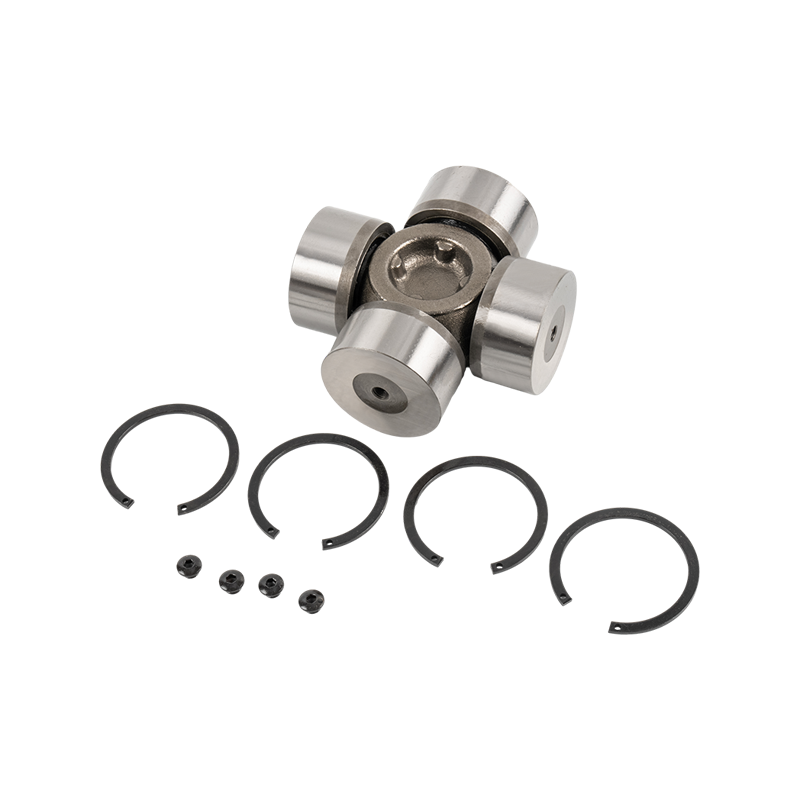
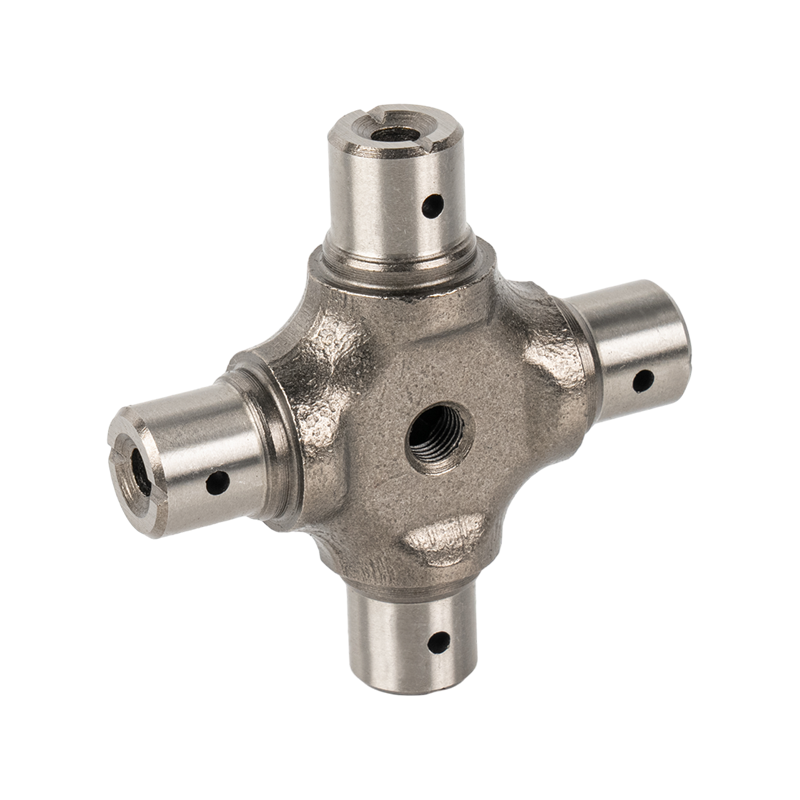
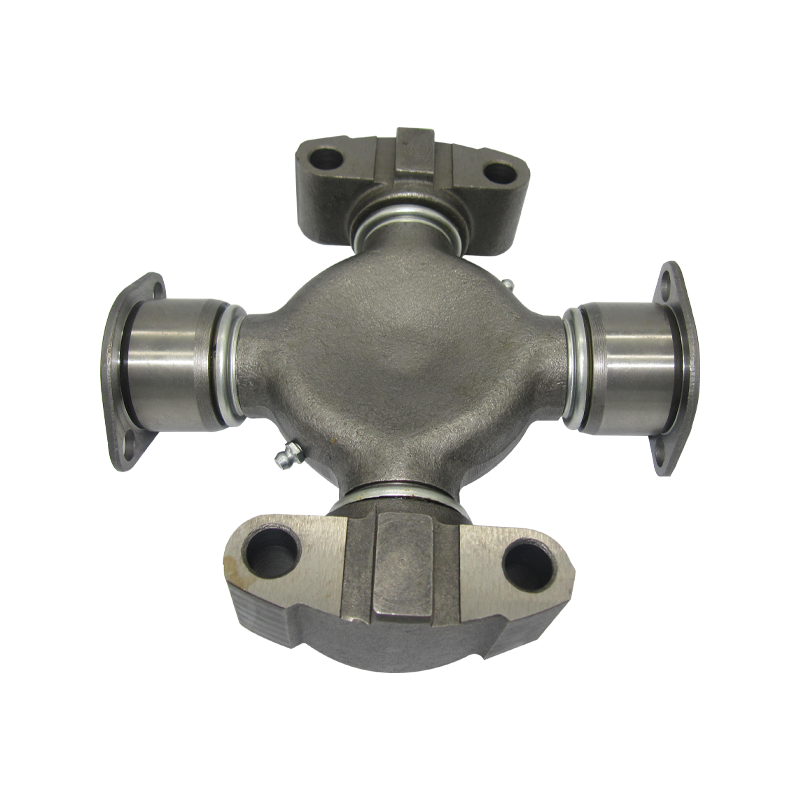
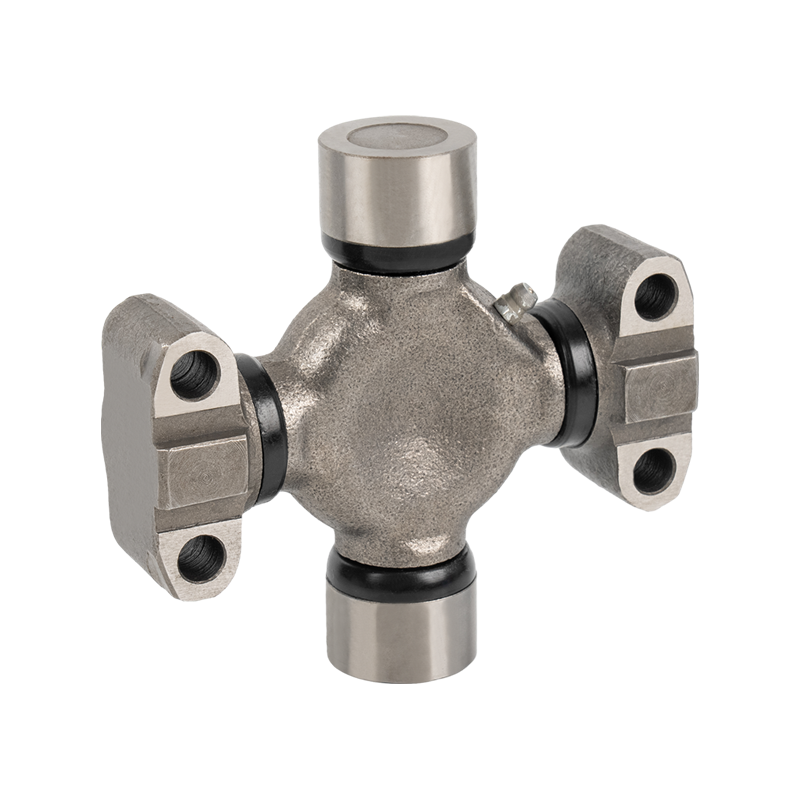
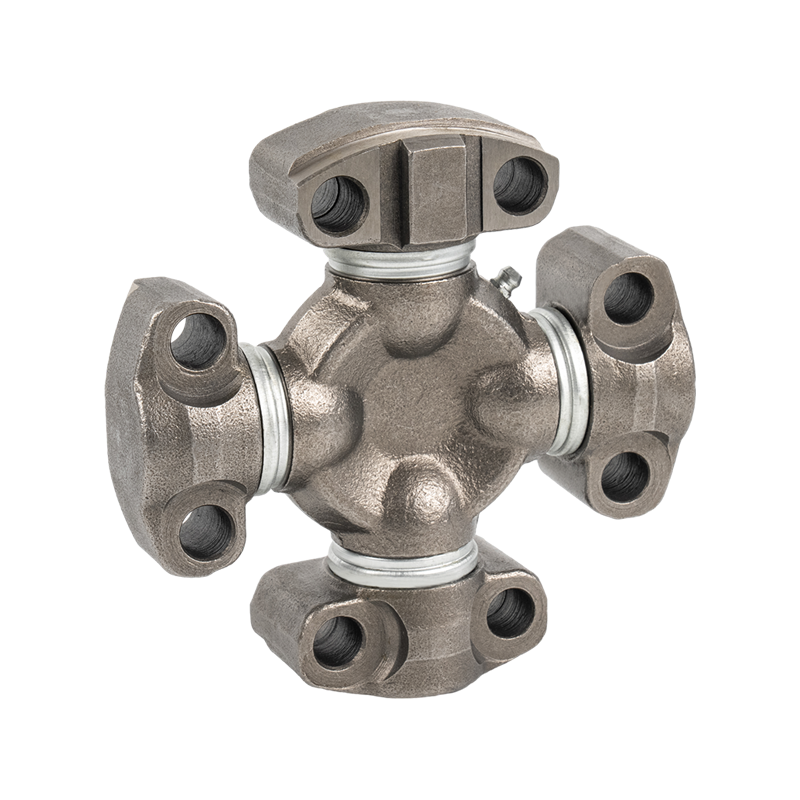
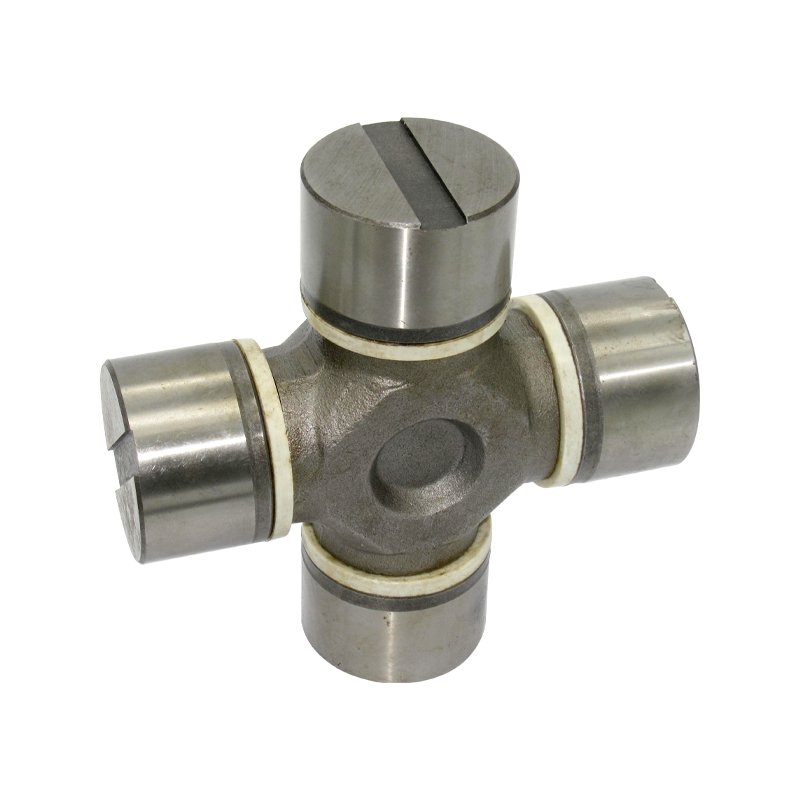
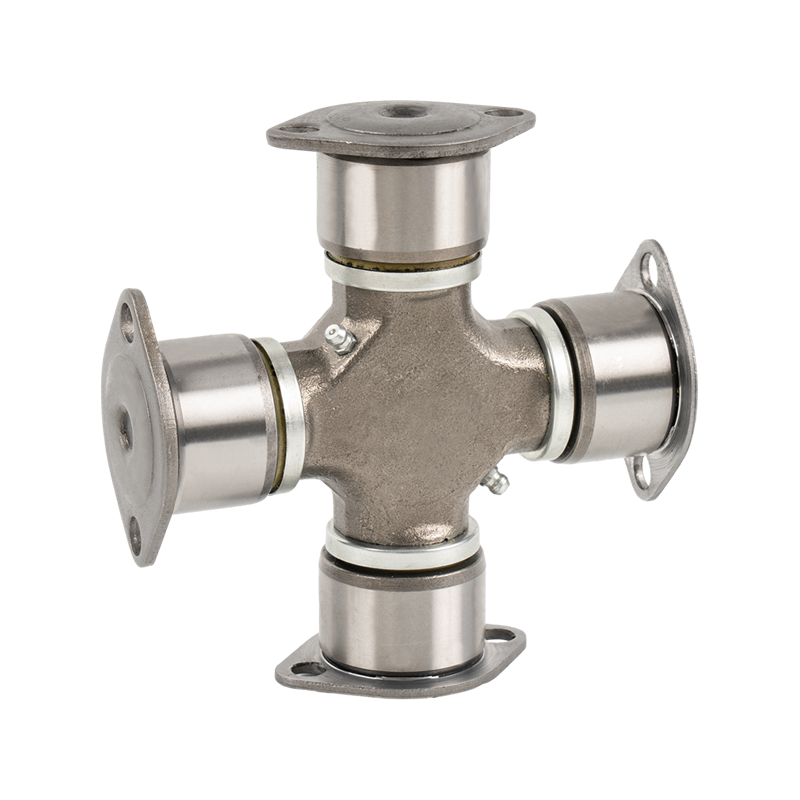
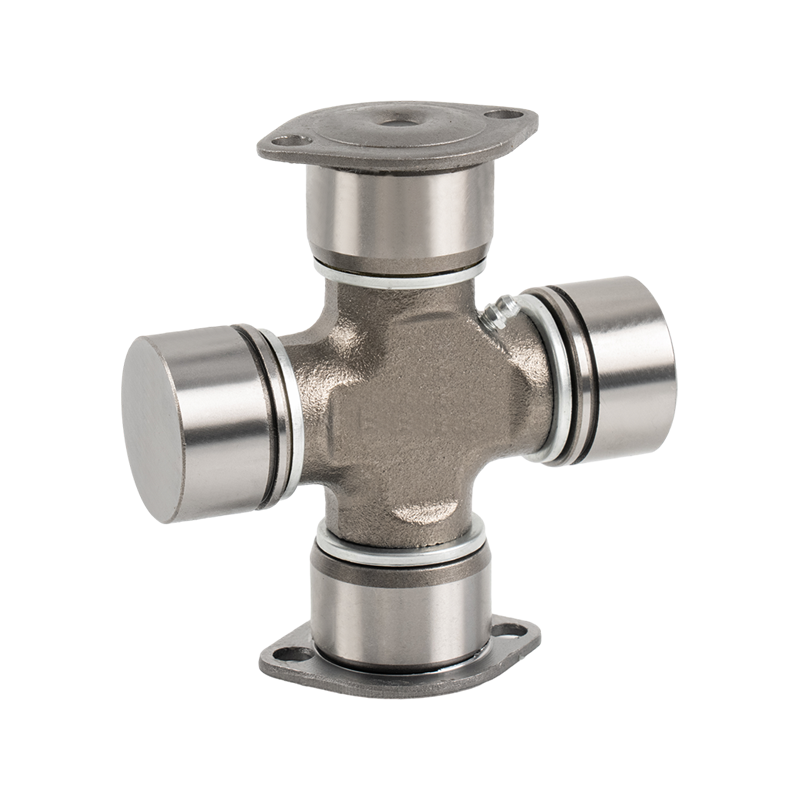
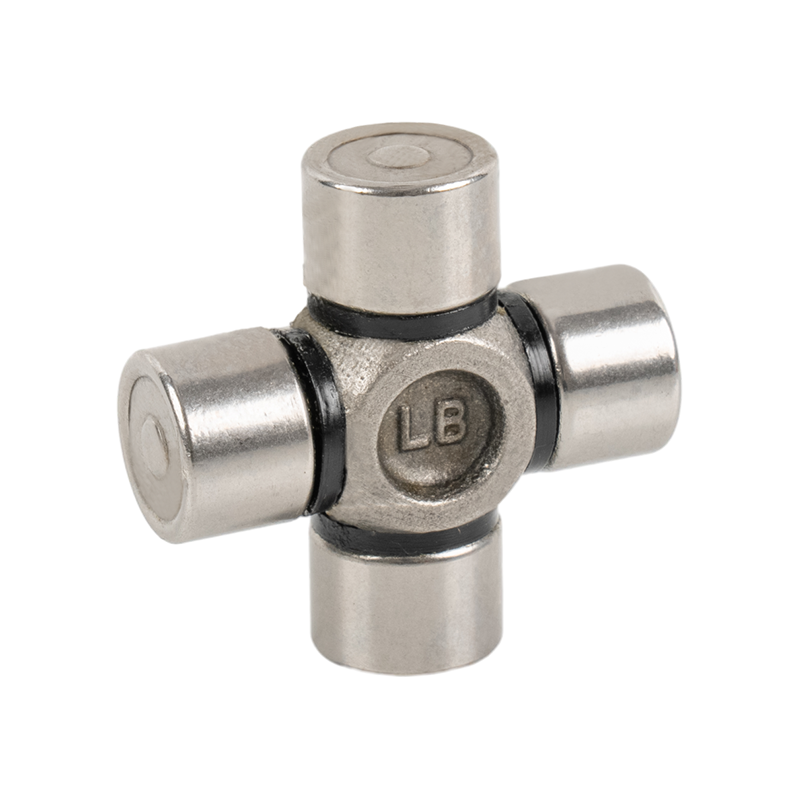
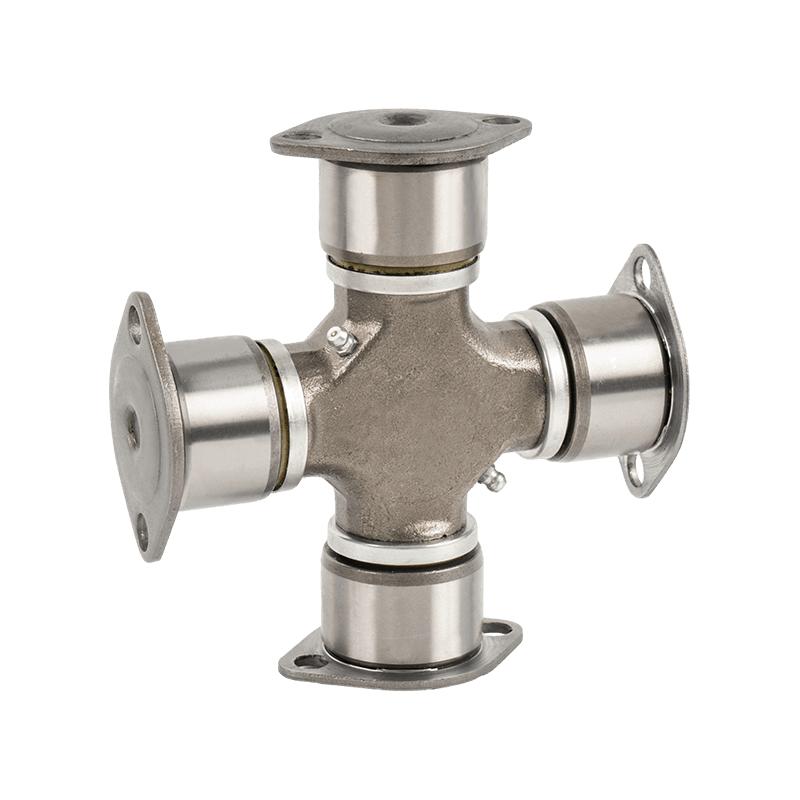
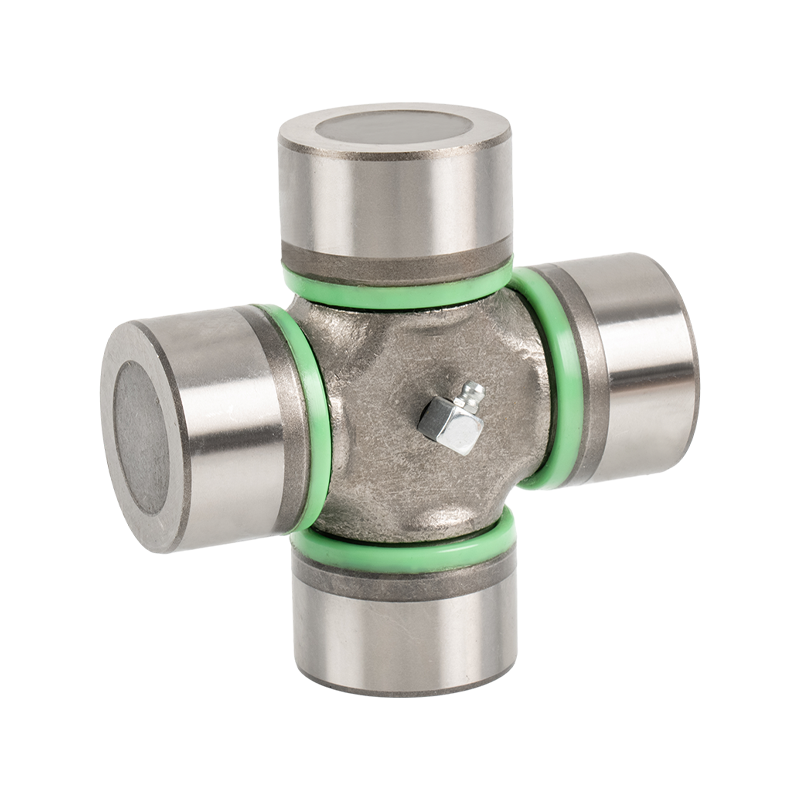
Pull the term apart and it's a fairly literal description. "Universal" refers to the joint's ability to transmit rotating power in any direction, not just a straight line. The part itself is a compact steel cross — engineers call it a cross or spider — with a needle bearing cap fitted over each of its four arms. Two opposite arms bolt into the yoke on one shaft, the other two bolt into the yoke on the adjoining shaft, and the whole assembly pivots freely at the center. That pivot is what lets two shafts keep spinning together even when they're not perfectly lined up.
Where the U-Joint Sits in the Drivetrain
On a rear-wheel-drive car, the driveshaft runs from the back of the transmission to the rear differential, and a U-joint sits at each end of it — one just behind the transmission's tail shaft, one just ahead of the differential. Four-wheel-drive trucks add a second driveshaft running to the front differential, with its own pair of joints at the transfer case and front axle. Front-wheel-drive cars skip this arrangement entirely: because the engine and transaxle already sit right next to the front wheels, there's no long driveshaft to flex, so those vehicles use constant velocity (CV) joints instead, which solve a related but distinct problem involving steering angles rather than suspension travel.
| Drivetrain layout | Joint type used | Why |
|---|---|---|
| Rear-wheel drive | U-joints (2 per driveshaft) | Long driveshaft must flex with suspension travel between transmission and axle |
| Four-wheel / all-wheel drive | U-joints (2 per driveshaft, front and rear) | Two separate driveshafts, each needing the same flex capability |
| Front-wheel drive | CV joints | Short axle shafts must also handle constant steering-angle changes, which U-joints handle poorly |
Why Every Driveshaft Uses U-Joints in Pairs
A single U-joint working at an angle doesn't rotate at a perfectly constant speed — it speeds up and slows down slightly, twice during every full revolution, because of the geometry of the cross pivoting inside two offset yokes. At low angles this variation is too small to feel, but as the angle increases it becomes a real vibration transmitted straight through the driveshaft. The fix is mechanically elegant: a second U-joint at the other end of the shaft, installed at a matching angle, introduces the same speed variation in reverse. The two cancel out, and the power reaching the differential ends up smooth and constant despite passing through two joints that individually aren't.
A standard U-joint can operate at angles up to roughly 45 degrees, which is more range than a rear driveshaft ever actually needs during normal suspension travel. That headroom is intentional — it keeps the joint operating comfortably within its capability even on a lifted truck or a heavily loaded vehicle, rather than right at its mechanical limit.
What's Actually Inside a U-Joint
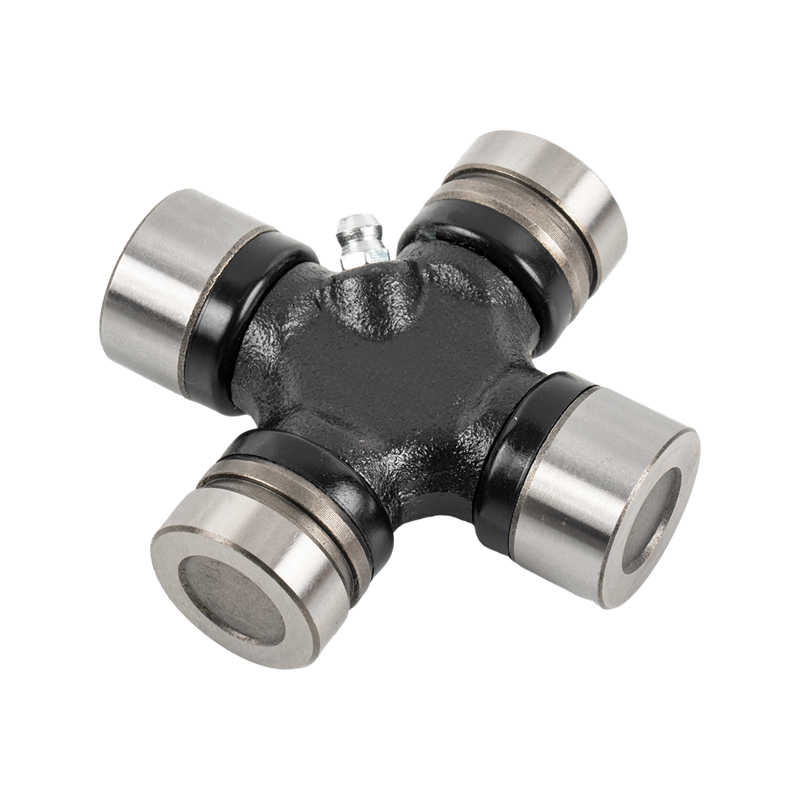
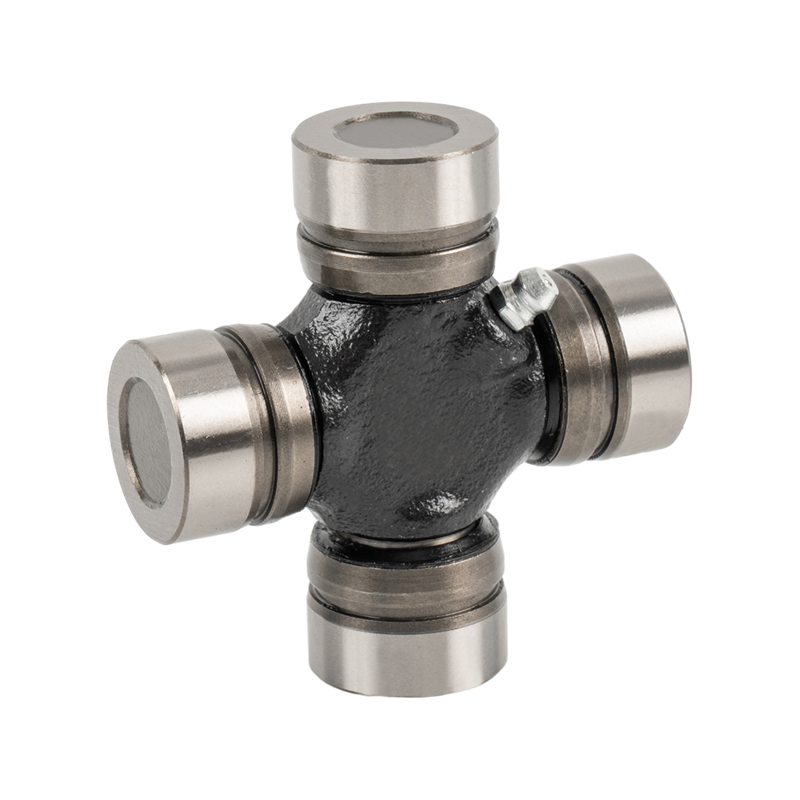
Beneath the simple X-shape, each of the cross's four arms rides inside a bearing cap packed with small needle bearings, sealed in with a grease seal that keeps contaminants out and lubricant in. Some U-joints are sealed for life at the factory with no way to add more grease; others include a zerk fitting so grease can be pumped in at regular service intervals. That single design choice — sealed versus greaseable — ends up mattering more than almost anything else about the part's lifespan.
- Sealed U-joints come pre-packed with grease meant to last the joint's life. They need no maintenance, which makes them the standard choice for daily-driver passenger cars, but once that internal grease breaks down there's no way to replenish it.
- Greaseable U-joints have a visible zerk fitting for periodic lubrication. They cost slightly more and need attention during routine service, but with consistent greasing they routinely outlast sealed joints — which is why they're the default on trucks used for towing or off-road work.
Signs a U-Joint Is Wearing Out
U-joint failure is gradual almost every time, which is actually good news: there's a real window to catch it before a joint fails completely and lets the driveshaft drop, which can damage the transmission or exhaust and, in rare cases, cause a loss of control.
- Clunking when shifting between drive and reverse. Worn bearings let the cross move slightly before engaging, producing a distinct clunk right as power takes hold.
- Vibration that worsens at highway speed. A joint with play in its bearings throws the driveshaft slightly off balance, and that imbalance becomes more pronounced as rotation speed increases.
- A squeak or click that gets louder with speed. This usually points to a dry, under-lubricated joint grinding metal against metal, especially in sealed joints whose factory grease has broken down.
- Rust-colored powder around the joint. This is oxidized metal shavings, produced when bearings run dry and start wearing against the cross itself — a clear visual sign the joint needs replacement soon.
- Difficulty turning or unusual resistance. Less common, but a binding U-joint can add resistance that shows up as trouble steering, particularly on tight turns.
If one U-joint on a driveshaft has failed, the other has typically absorbed similar mileage and stress and is not far behind. Because most of the labor cost comes from removing and reinstalling the driveshaft itself rather than the joint swap, replacing both at the same time costs only marginally more than replacing one — and it avoids paying for that same labor twice within a few months.
What Shortens or Extends U-Joint Life
Mileage alone doesn't determine when a U-joint wears out — driving conditions and maintenance habits move that number substantially in either direction.
| Factor | Effect on lifespan |
|---|---|
| Frequent towing or heavy hauling | Shortens — sustained load increases stress on the bearings with every rotation |
| Off-roading or driving over rough terrain | Shortens — repeated shock loading accelerates bearing wear |
| Road salt and coastal moisture exposure | Shortens — corrosion attacks bearing caps and seals, letting contaminants in |
| Improper driveshaft angle after a lift kit | Shortens — pushes the joint closer to or beyond its comfortable operating angle |
| Regular greasing on a greaseable joint | Extends — fresh lubricant continuously flushes out contamination and reduces friction |
| Primarily highway commuting on smooth roads | Extends — minimal shock loading and consistent, moderate driveshaft angles |
Checking a U-Joint Without Removing the Driveshaft
A quick manual check can reveal play before it turns into a noticeable symptom. With the driveshaft supported and the transmission in neutral, grip the shaft on either side of a U-joint and try to twist it back and forth in every direction. Any noticeable looseness, clicking, or a hard spot as it rotates points to a joint that's wearing out. A healthy joint should move smoothly through its full range with no play and no grinding sensation.
Bottom Line
A universal joint is a small, X-shaped hinge doing one of the most mechanically demanding jobs in the drivetrain: keeping power flowing smoothly through a driveshaft that's constantly changing angle underneath a moving vehicle.
It's a wear item, not a lifetime part — expect 60,000 to 150,000 miles depending on how the vehicle is driven, and treat a clunk on shifting or a highway-speed vibration as the signal to have it inspected before a worn joint turns into a dropped driveshaft.